
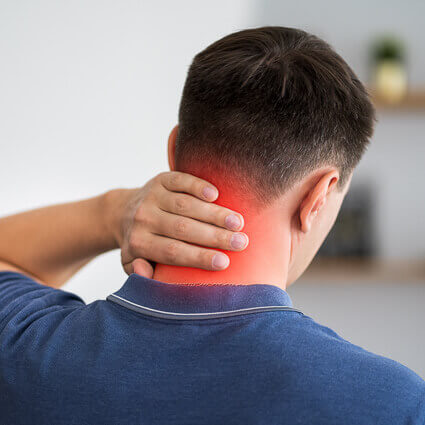
 After a long day on your feet or a chilly Mueller morning, your knees may feel creaky and sore. Then the big question hits: heat or ice?
How Heat and Cold Work Differently
Think of heat as a warm-up and cold as a cool-down. Warmth increases blood flow and may help tight muscles relax, and stiff joints feel looser. Cold can temporarily numb a sore area and may help reduce swelling.
When to Reach for Heat
Heat may help joints that feel stiff and achy rather than puffy. Try a comfortably warm pack or a heating pad on a low setting for 15 to 20 minutes before a stroll around Mueller Lake Park or some gentle stretching.
When to Reach for Cold
A cold pack may ease soreness or mild swelling after a Saturday of yard work that asked a little too much of your body. Try 10 to 15 minutes at a time, letting your skin return to its usual temperature before another session.
Simple Ground Rules for Heat and Ice
- Always place a cloth or towel between your skin and the pack
- Never fall asleep on a heating pad
- Stop if your skin becomes painful, unusually pale, or discolored
- Skip heat on a joint that looks red, hot, or swollen
- If you have reduced skin sensation or circulation concerns, check with a provider before using either one
“For everyday stiffness, warmth may help. For mild swelling after activity, a cold pack may help. And if you’re still not sure, just call and ask us.” – Dr. Merrick Fisher, D.C.
Where In-Office Cryotherapy Fits
Whole Family Chiropractors offers targeted spot cryotherapy, which delivers cold to one small area with a handheld wand. During a visit, our chiropractors can review your symptoms and health history to help determine whether it’s an option for you.
When to Get It Looked At
Home remedies have limits. If joint pain doesn’t settle, keeps coming back, or starts getting in the way of your daily routine, it’s time for a closer look. A newly hot, swollen joint needs prompt medical assessment, especially if it’s red, you have a fever, or you feel unwell. Seek urgent care for severe pain after an injury or if you can’t put weight on the joint. Learn about our approach to arthritis-related joint discomfort.